LANGUAGE
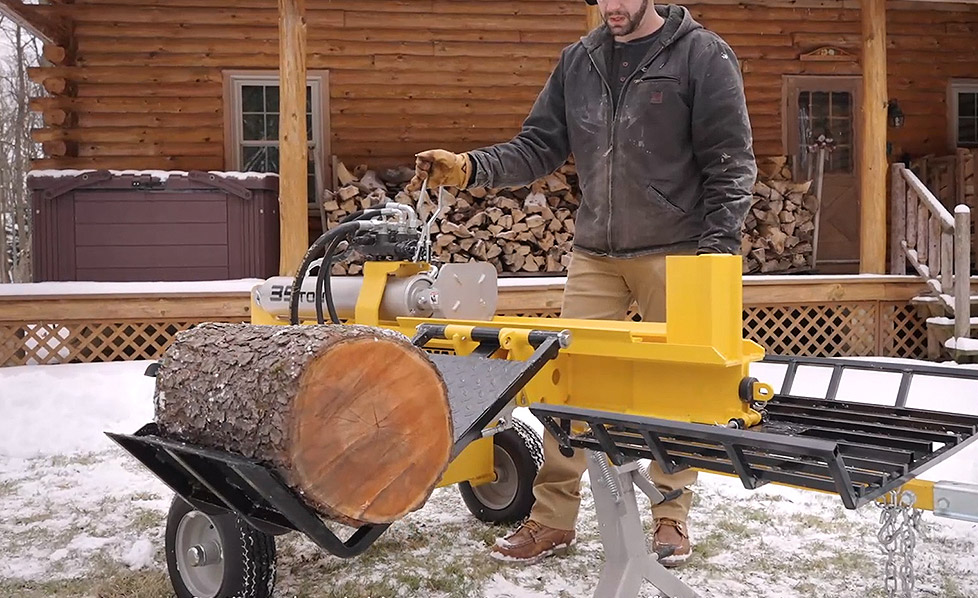
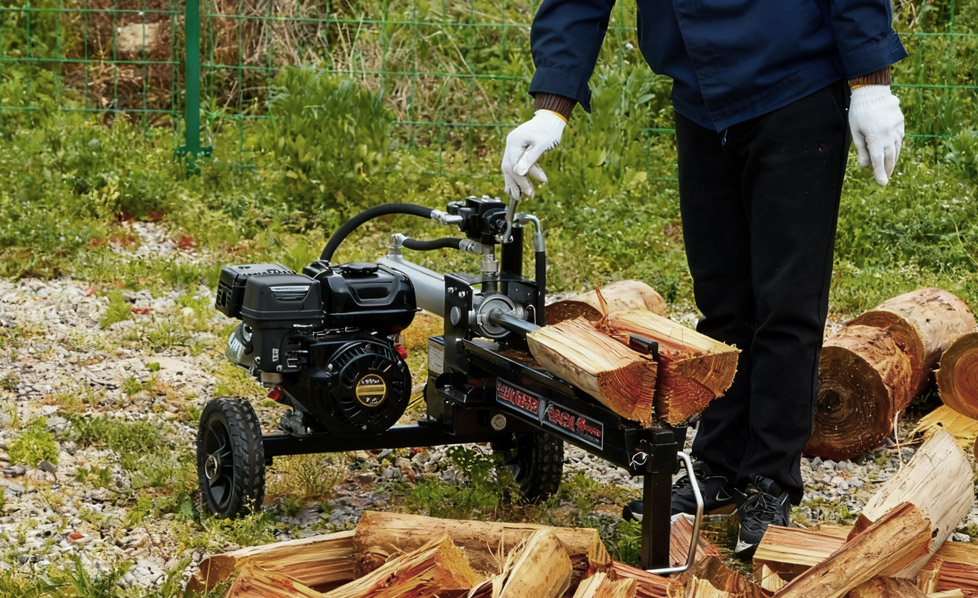
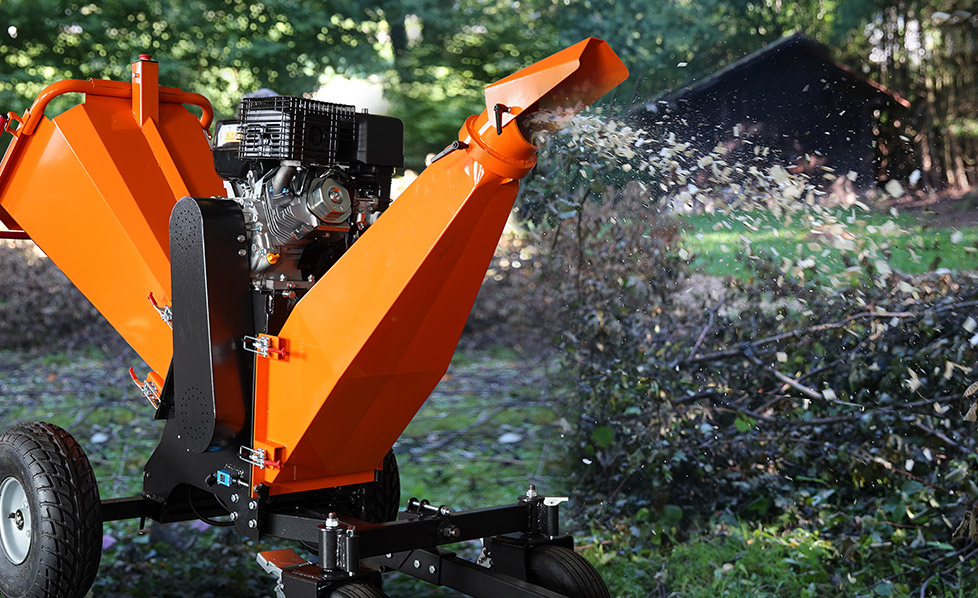

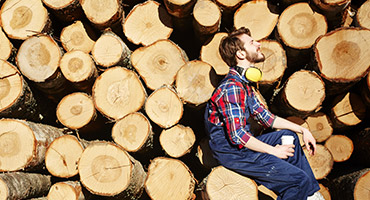

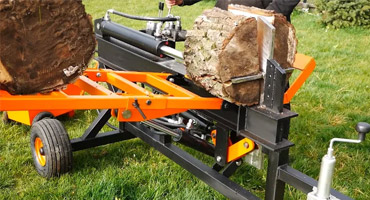
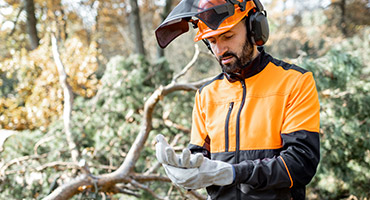
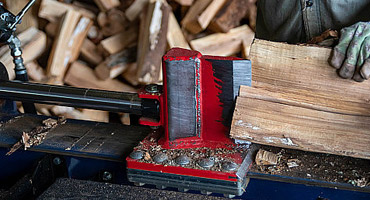




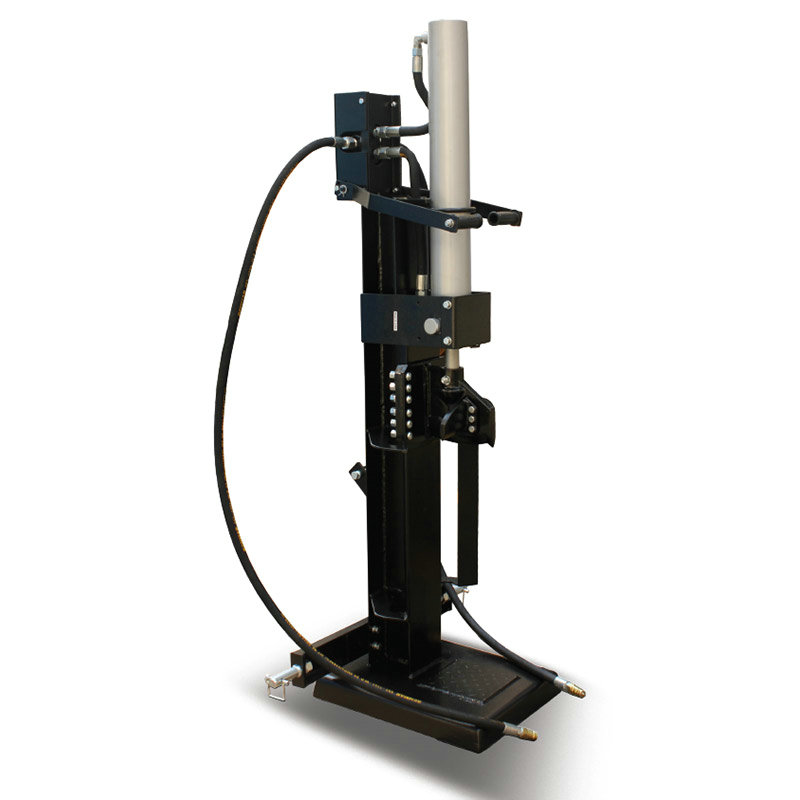
BESKRIVELSE Modell nr.: LSE 14 Maks. kløyvekraft: 14tonn M...
See Details

Hvordan påvirker stubbekvernindustrien miljøet?
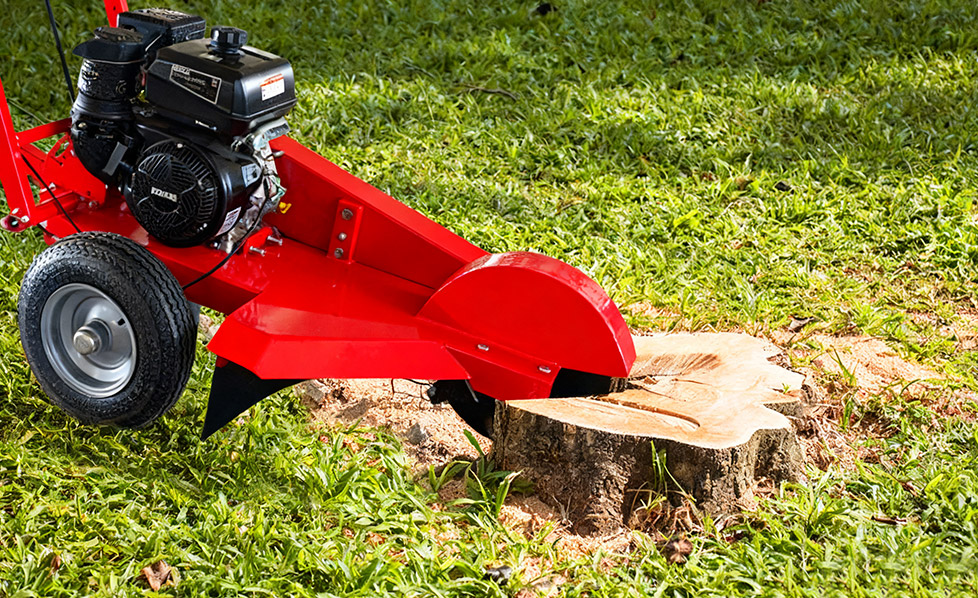
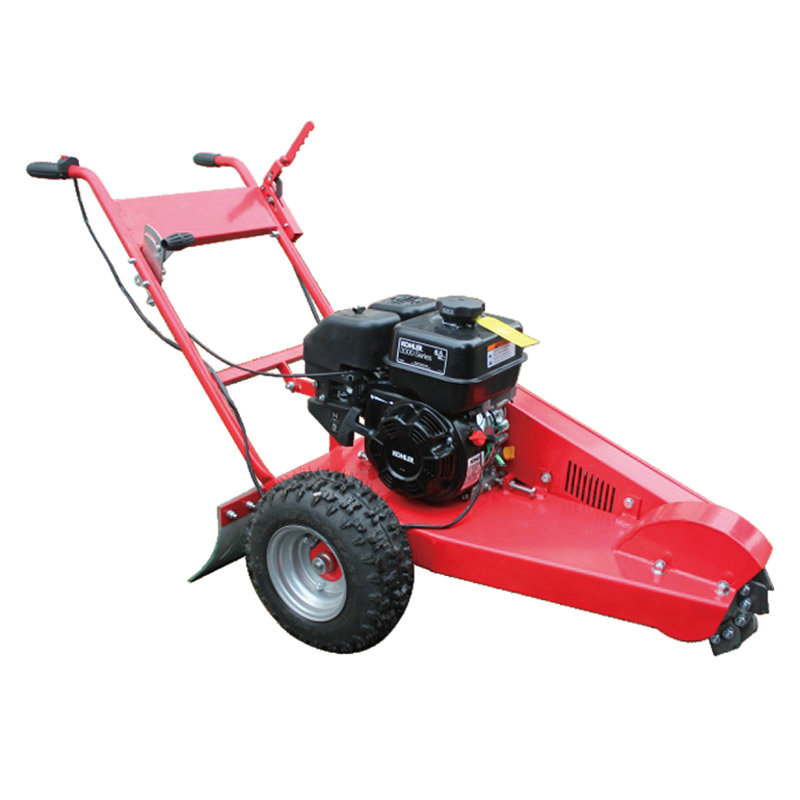
Den stubbekvern industry has a significant impact on the environment due to the nature of its operations. Stump grinding is a process of removing tree stumps and roots from the ground by using a machine called a stump grinder. Den grinder grinds the stump into small chips, which can be used as mulch or removed and disposed of.
One of the main environmental concerns with stump grinding is the generation of wood waste. Den process generates a significant amount of wood waste, which can be difficult to dispose of in an eco-friendly manner.
Another environmental impact of stump grinding is soil compaction. Den machines used for stump grinding are heavy and can cause soil compaction, which can affect the soil's ability to retain water and support plant growth. Soil compaction can also increase the risk of erosion, which can have adverse effects on nearby water bodies.
the use of stump grinders can result in noise pollution, which can affect wildlife and nearby communities. Den noise generated during stump grinding can disturb animals in the area, especially if the work is done in a sensitive ecosystem. Den noise can also be a nuisance to people living in the vicinity.
For å minimere miljøpåvirkningen av stubbesliping, er det viktig å bruke riktig utstyr og teknikker. For eksempel kan bruk av stubbeslipere som har avanserte funksjoner som gummidekk eller belter redusere jordkomprimering. I tillegg bør operatører vurdere å bruke utstyr med lavere støynivå for å minimere virkningen av støy.
One of the main environmental concerns with stump grinding is the generation of wood waste. Den process generates a significant amount of wood waste, which can be difficult to dispose of in an eco-friendly manner.
Another environmental impact of stump grinding is soil compaction. Den machines used for stump grinding are heavy and can cause soil compaction, which can affect the soil's ability to retain water and support plant growth. Soil compaction can also increase the risk of erosion, which can have adverse effects on nearby water bodies.
the use of stump grinders can result in noise pollution, which can affect wildlife and nearby communities. Den noise generated during stump grinding can disturb animals in the area, especially if the work is done in a sensitive ecosystem. Den noise can also be a nuisance to people living in the vicinity.
For å minimere miljøpåvirkningen av stubbesliping, er det viktig å bruke riktig utstyr og teknikker. For eksempel kan bruk av stubbeslipere som har avanserte funksjoner som gummidekk eller belter redusere jordkomprimering. I tillegg bør operatører vurdere å bruke utstyr med lavere støynivå for å minimere virkningen av støy.
PREV:Hva er nøkkelfaktorene å vurdere når du velger en vedkløyver, og hvordan påvirker de effektiviteten, sikkerheten og den generelle ytelsen i treforedlingsoperasjoner?
NESTE:Hvordan har anleggsbransjen endret seg de siste årene, og hvilken rolle spiller TINE DETHATCHER i denne utviklingen?
NESTE:Hvordan har anleggsbransjen endret seg de siste årene, og hvilken rolle spiller TINE DETHATCHER i denne utviklingen?
Interessert i samarbeid eller har spørsmål?
Relaterte produkter
-
-
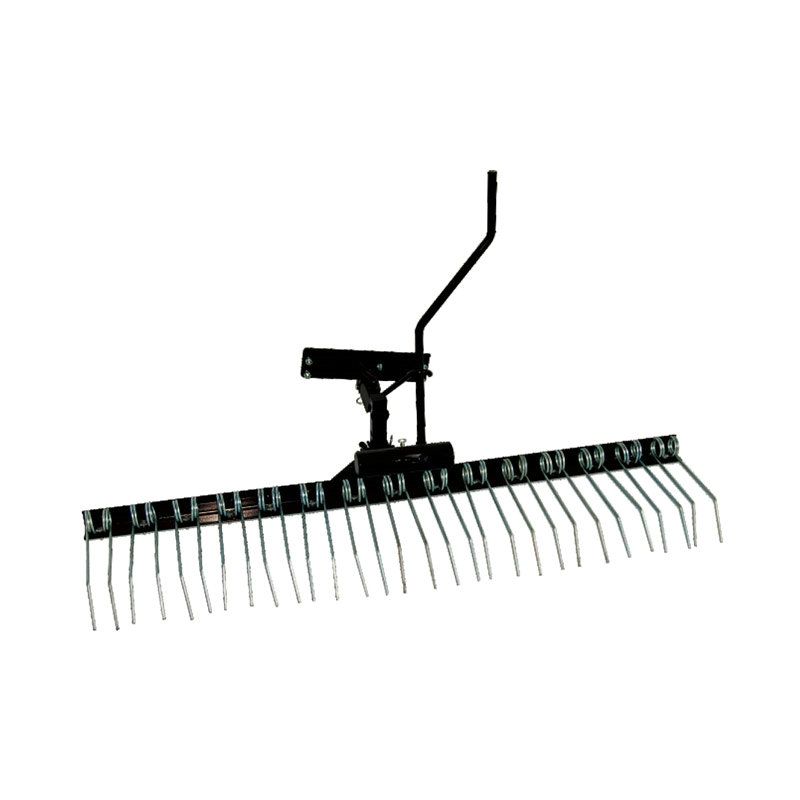
● MODELLNR: SP31203 ● 3/18" VARMEBEHANDLEDE TINER/30 TENNER ●...
See Details -
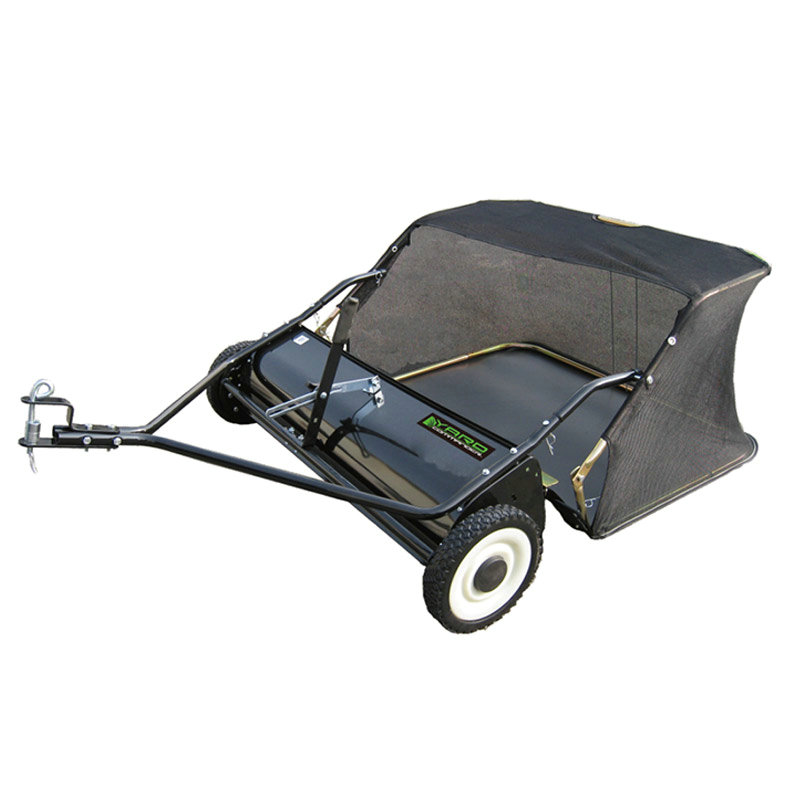
BESKRIVELSE ♦Rustbestandig pulverlakk ♦ Dumper enkelt rusk ...
See Details -
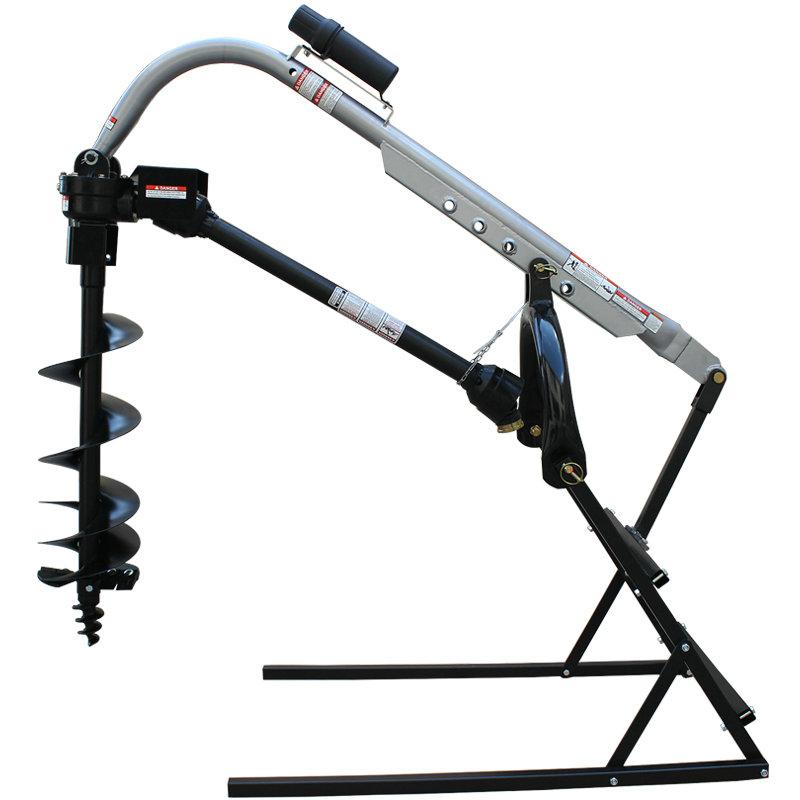
MODELLNR. : SP48109 Stolpehullgraver for de fleste kompakte Cat ...
See Details -
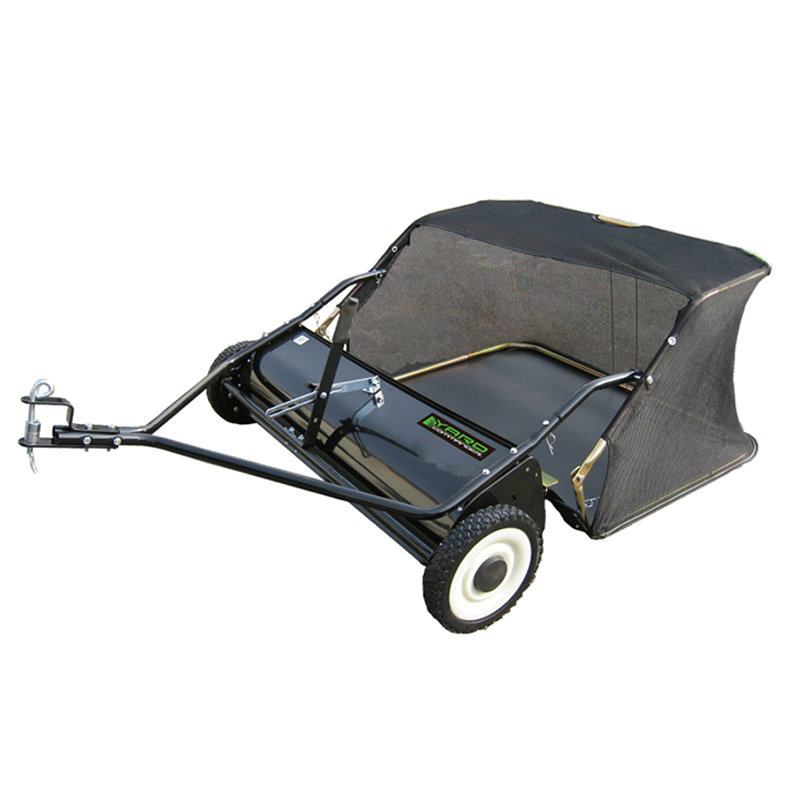
BESKRIVELSE ♦Rustbestandig pulverlakk ♦ Dumper enkelt rusk ...
See Details